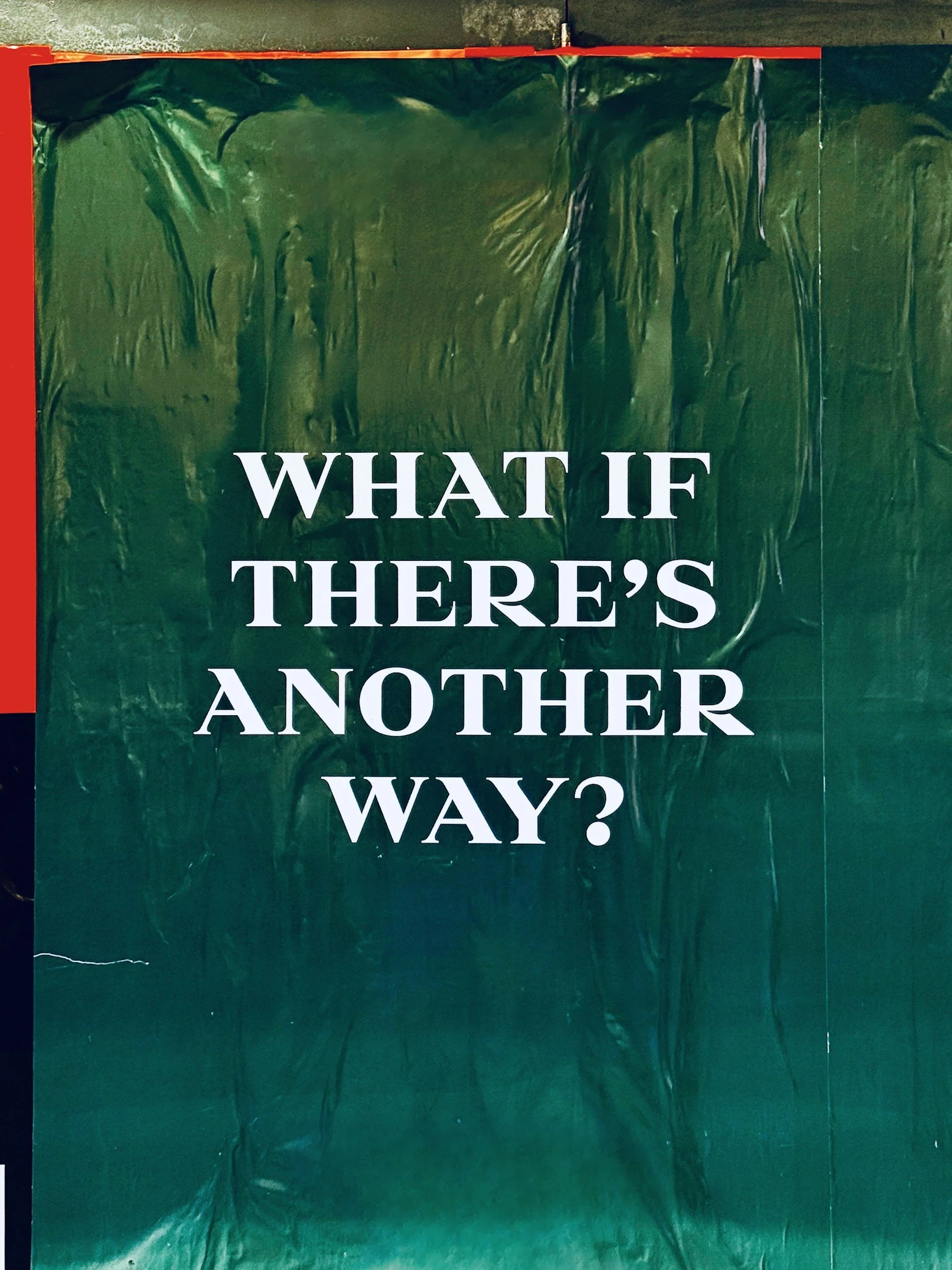
Your Life is Your Sermon
Orpheus traveled to the underworld. Do you know this story?
When Eurydice died, Orpheus was devastated. He loved her so much that he decided to go to the underworld and bring her back. And somehow, he did the impossible. Armed with his music and his grief, he persuaded the rulers of the dead to release her. There was just one condition. Eurydice would follow him back to the world of the living, but he could not look behind him until they had both made it out.
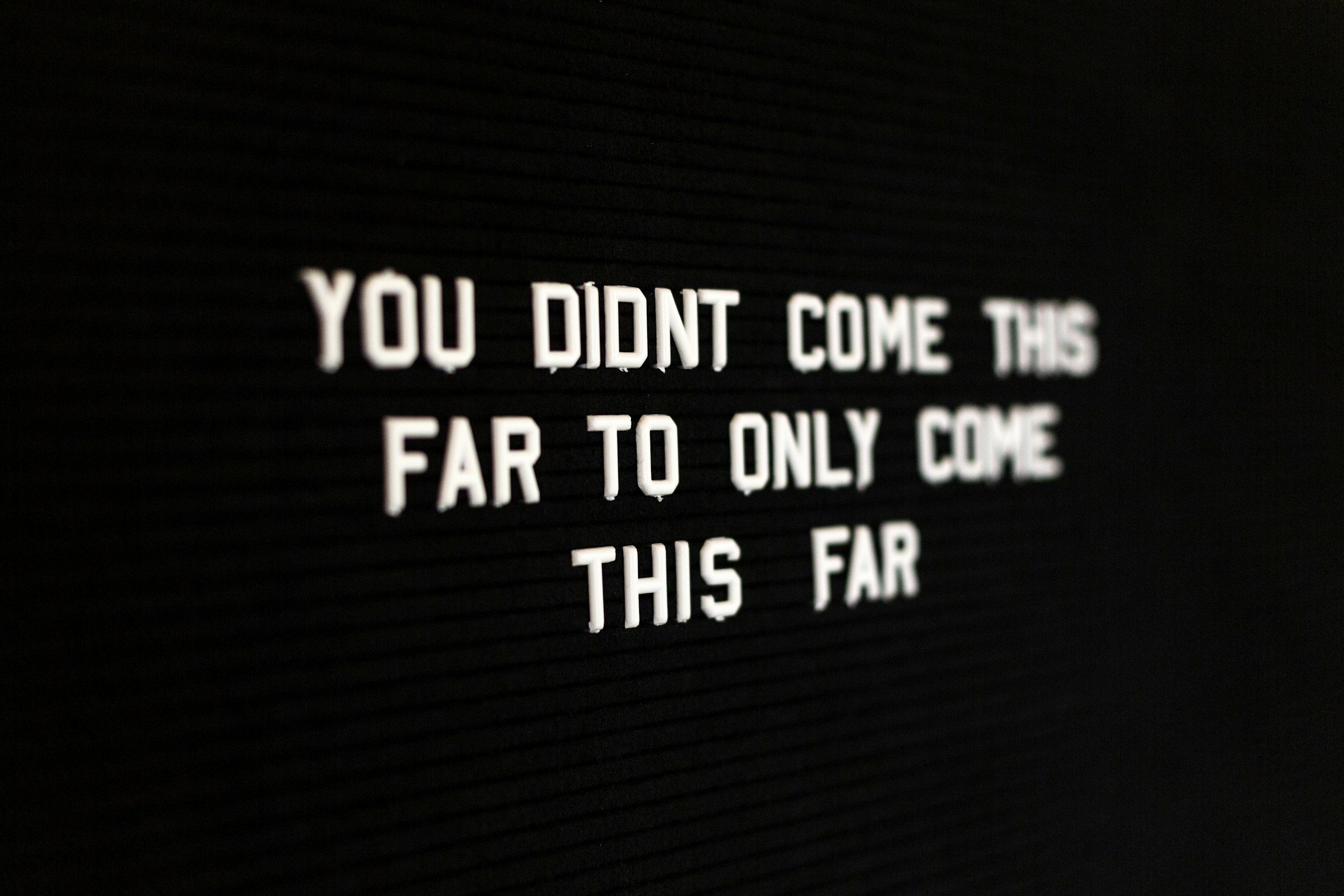
Hi, it’s Me. I’m the Problem.
“It’s me, hi, I’m the problem, it’s me.”
Taylor Swift probably did not have Augustine of Hippo in mind when she wrote “Anti-Hero,” but somewhere around the end of Book VIII of Confessions, I heard her singing anyway. In Book VIII, Augustine has a problem. He knows he has a problem. In fact, he has spent an unnecessary amount of time explaining his problem. It is the perfect demonstration of over-thinking. And, it's a lot.
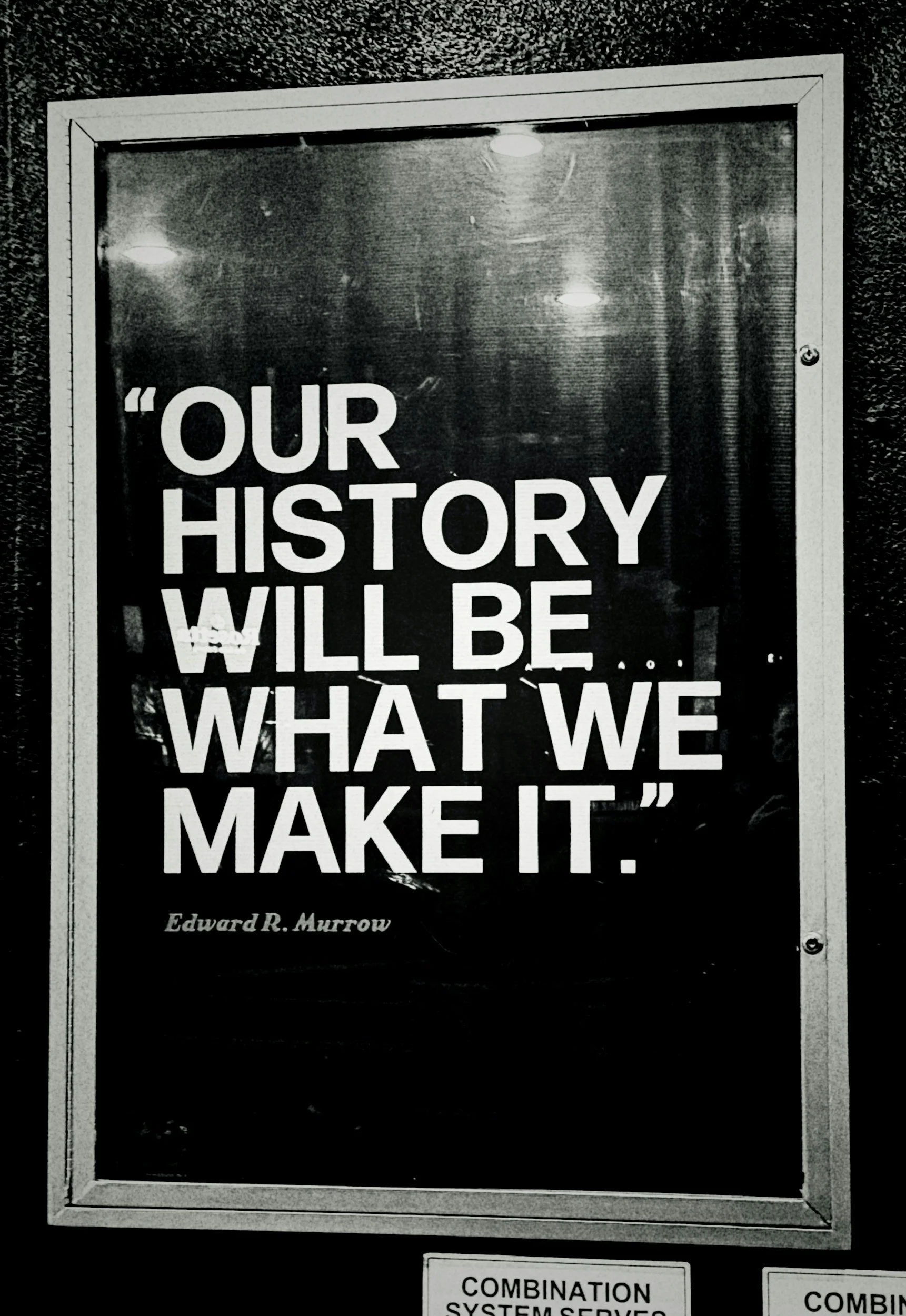
Look What We Made
I teach a passage from the Analects every year that unsettles my students. It unsettles me.
A governor tells Confucius about an upright man in his community whose father stole a sheep. The son testified against his father, which the governor offers as evidence of the son's character because presumably, a good person tells the truth even when telling the truth is difficult.
Confucius disagrees.
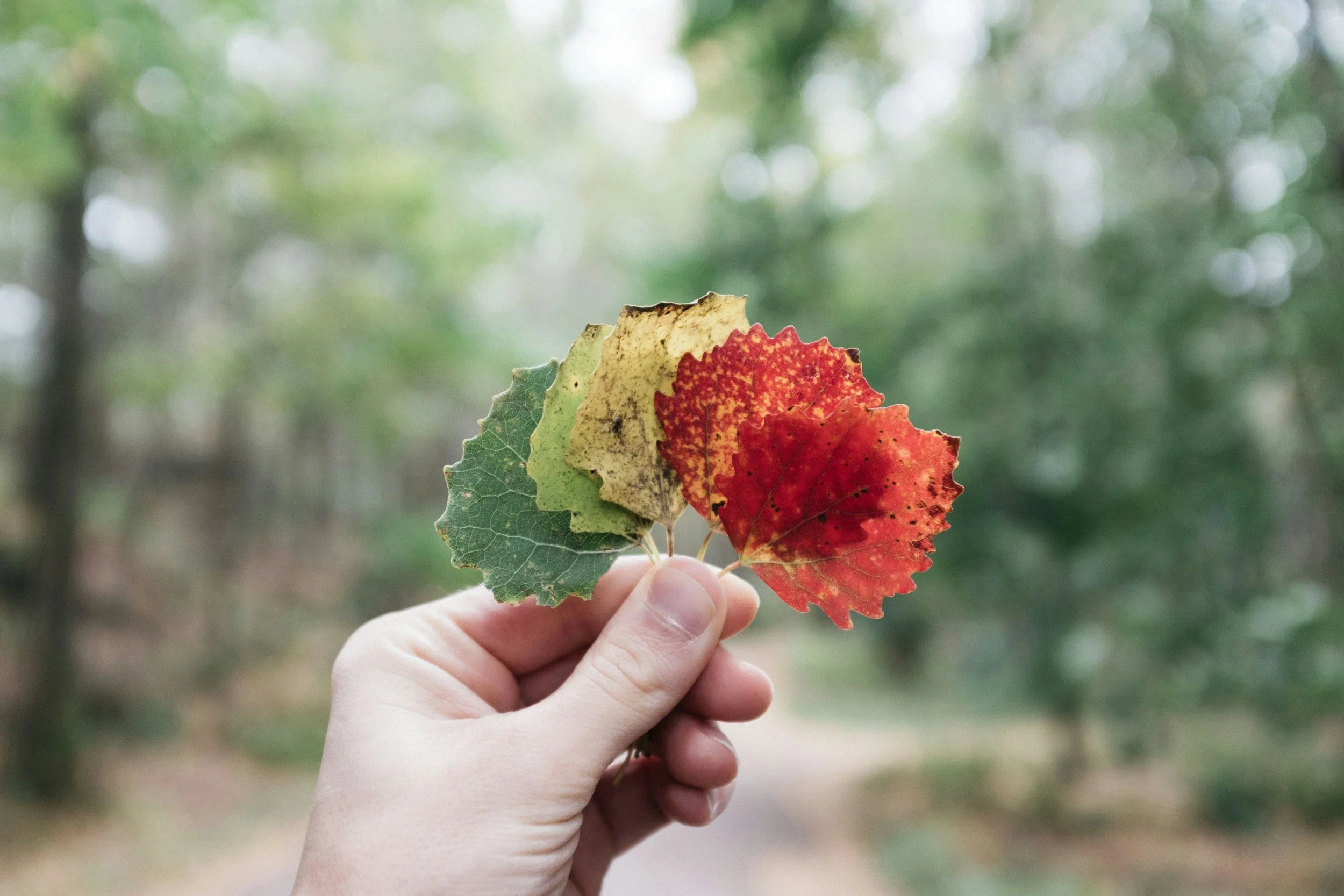
Be Transformed
The oldest story we have is about one person being known by another. That is the penultimate quality of a meaningful relationship, and I cannot get over it.
The Epic of Gilgamesh reaches back more than four thousand years, nearly to the beginning of recorded human storytelling when it was recorded. Before the novel, before Shakespeare, before most of the stories we use to explain ourselves to ourselves, someone pressed cuneiform into clay and preserved the story of a powerful king who had everything except someone who could meet him where he was.

Look to the Fruit
I taught John Keats six months ago.
I don't remember what I taught.
This is a little embarrassing because I am, in fact, the professor. Presumably I stood in front of a classroom and said intelligent things about Romanticism, beauty, truth, mortality, permanence, and Ode on a Grecian Urn. There were probably slides. I am certain there was a lesson plan.

The Environment of Uncertainty
This semester, my students and I spent time in the Modern Period, a literary movement marked by uncertainty, ambiguity, fragmentation, and rapid change. The world that produced these works was experiencing industrialization, urbanization, world wars, and the collapse of long-held assumptions about identity, society, and progress.

Gratitude as Defiance
I recently came across the term spiritual bypassing. It wasn’t new to me as an experience—but it was the first time I’d seen it named. Spiritual bypassing is the use of spiritual ideas, beliefs, or practices to avoid dealing with real, human emotions. It often sounds familiar:
“Just pray about it.”
“Everything happens for a reason.”
“Good vibes only.”
On the surface, these statements sound faithful. Underneath, they often function as dismissal.

The True Romantic
I’m teaching the Romantics right now.
Every year I return to them, and every year they feel less like literary figures and more like companions on the road. William Wordsworth walking slowly enough to let memory ripen, enjoying the pace. John Keats lingering in uncertainty without demanding answers to where we are headed. Samuel Taylor Coleridge refusing to look away from guilt or imagination and keeps moving forward. Christina Rossetti holding desire and devotion in the same trembling hands despite the heavy burden. Rubén Darío insisting that beauty is not decoration but defiance in a stale world.

Don’t Skip the Awkward Parts
I had the opportunity to study abroad in college. Out of all my options, I chose another English-speaking country: England. I have family origins in England and Scotland, so it made sense to go. I was excited. I had already traveled quite a bit for my age within the U.S., so this felt like the next level. I was just nineteen, and this was the phase of my life where imposter syndrome loved to show up: I looked adult-ish. I sounded educated enough. I boarded the correct plane. I had my passport in hand. Everything was technically right. And then I heard the dialects around me.

Sameness isn’t Belonging
Why Sameness Is Not the Path to Intimacy, Purpose, or Responsibility
Belonging is often confused with alignment. If we agree, if we move in sync, if we read one another quickly enough, connection means we’re on the same team. Sameness feels efficient. It reduces possible friction. It reassures us that we are in the right place. At first, it feels like closeness. It feels like finally, belonging. But when sameness becomes the condition for belonging, something essential erodes. Preferences grey before they’re spoken. Questions wait for a better time to ask. Instincts are translated in advance so they don’t disrupt the bond. Nothing dramatic breaks. Nothing obviously fails. And yet a person begins to disappear in small, reasonable ways—not erased, just deferred.

For Those Standing in the Rubble: A Dream
I was meant to be on a break for the holidays.
At least, that’s what my calendar said: days cleared, silence scheduled, a small promise to myself that I would rest instead of write. But my mind does not respect vacation policies, and my nights refused to clock out. While I was away from words, I was dreaming instead:

The Human Shift: Curating Myself in the Wilderness

Proof Is Not Required: Relearning Trust in the Age of AI
Since the last time I was in the classroom, AI has shown up.
I was curious how my courses would run, at the college level, with AI in full force behind the scenes.
What would student writing look like?
What would literary analysis show?
And so for most of this semester, I felt like I was supposed to stay one step ahead of AI —
as if my real job wasn’t teaching writing, but detecting plagiarism and cheating.
Every assignment became a quiet calculation:
Is this theirs?
Did they write this?
How can I know for sure?

Your Inner Compass
There’s a point in every major transition where you feel something shifting inside you—long before the people around you are ready to notice.
You sense truth rising.
You feel your boundaries changing shape.
You recognize a version of yourself you can’t shrink back into.

The Mask We Keep
A few nights ago, we put on our disguises and went out into the world—a witch, a hero, a ghost. We rejoiced at how easy it was to present ourselves as other than we are, to borrow a little confidence from the costume that hides us. Maybe it was harmless fun. But maybe it was also a reminder—how easily we walk through the world with our faces covered and our hearts guarded.

Identity Dissonance: Who We Are and Who We’re Supposed to Be
It began as a tension I couldn’t name—a quiet hum beneath my daily routines, a restlessness that didn’t come from exhaustion but from outgrowing the version of me that once fit everything perfectly. I’d expected change to come with warning signs—to unfold slowly, with effort and awareness. But this change had already happened. It had crept in quietly while I was busy surviving divorce and loss, and by the time I noticed, I was no longer the same.

A Letter from the Wilderness: Emotional Upheaval
This week has felt like standing in shifting sand. One moment I was steady; the next, everything tilted. It began with an unexpected encounter—one that brought to the forefront an old ache I thought had finally quieted. The emotional aftershocks of that moment left me raw and unguarded, and it was in that state I was asked to face a deeper truth from my own past—one that has created a slow, ongoing paradigm shift.

When Being Good Isn’t the Same as Being Honest
The wilderness often begins with loss.
A relationship ends.
A career no longer fits.
The life you built no longer feels like home.
And somewhere deep inside, a voice whispers:
“If you were wiser, stronger, or better, you wouldn’t be here. If you had just done it right, this wouldn’t have happened.”

Integrity is the Way Back
Integrity is wholeness — living in a way that your words, actions, and values all agree, in alignment with yourself.
It’s the discipline of telling yourself the truth, even when it’s uncomfortable. Integrity is the way back to yourself when love, loss, or fear have pulled you out of alignment.
Lying fractures that wholeness. It splits you from yourself.
Lying, in any form, is broken integrity. Every lie, no matter how small, pulls you further from peace and out of alignment.
Living with integrity isn’t an abstract spiritual ideal — it’s a practice.

A Letter from the Wilderness: Open Wounds
There’s a wound I keep in a drawer.
Not because I’m pretending it’s healed, but because life insists on being lived. There are papers to grade, meals to make, faces to greet, promises to keep. So I close the drawer most days and move through the rhythm of ordinary hours. But every time life shifts — a new season, a change in rhythm, a transition I didn’t choose — I hear it slide open again.