For Those Standing in the Rubble: A Dream
I was meant to be on a break for the holidays.
At least, that’s what my calendar said: days cleared, silence scheduled, a small promise to myself that I would rest instead of write. But my mind does not respect vacation policies, and my nights refused to clock out. While I was away from words, I was dreaming instead:
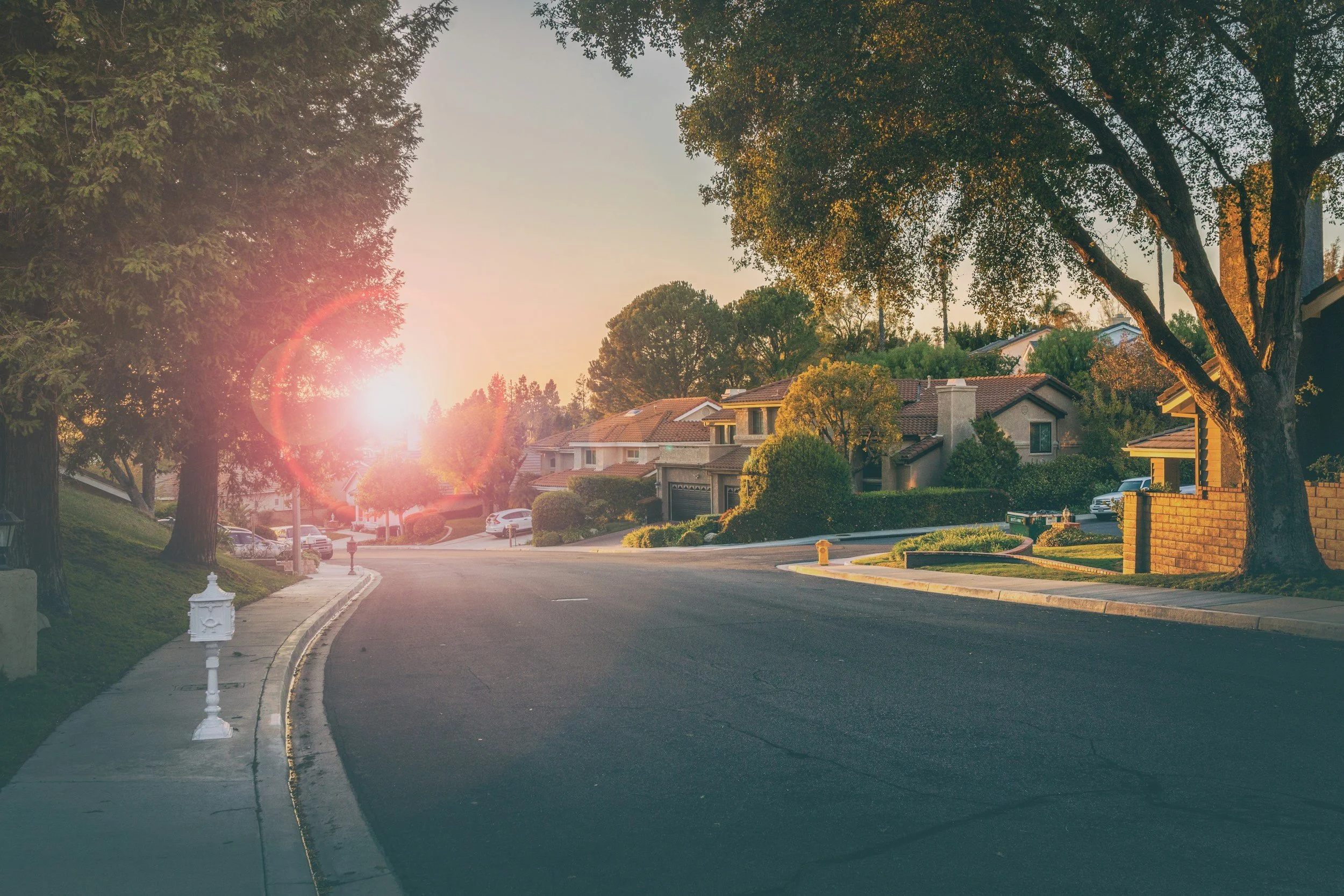
In the dream I was driving into a neighborhood I knew — the kind of place that looks ordinary and ideal for a new home. I parked, stepped out, and began circling a house I liked as I imagined a life here with my daughter. I pretended I was casual, but I was alert, half-convinced the people working in their yards would decide I didn’t belong.
Then they started passing by.
Not on bicycles — that would have been made too much sense— but in low, plastic soapbox carts, the kind of bright, hollow material that toddlers learn to walk in. They rolled past me like a parade that had forgotten its purpose. Silly, vulnerable, strangely tender. I laughed and thought maybe this is a place we could call home, a safe neighborhood for my girl to grow up in. The last cart carried a man and his dog. They looked peaceful, even content, as if movement itself were enough. I remember thinking again, maybe this is a place we could live.
Then the truck appeared.
I knew what was going to happen before it happened. My body knew it. I turned away at the moment of impact, the way people do when reality exceeds their tolerance. When I looked back, the box cart was crushed against the front of the truck, and the scene was raw, gory, undeniable. Not metaphor. Not allegory. Collision. Around me, everything was unbearably bright. Birds chirped. Neighbors chatted. Light poured over manicured lawns like nothing had crashed with a a deafening sound. Behind me, under the shade of trees, the wreckage sat in a different climate entirely, devastation, smoke, silence after the crash. I felt the split in the air: two worlds occupying the same street.
I tried to shout for someone to call 9-1-1. My voice felt small, swallowed by the sunlight. No one turned. No one flinched. It was as if I were the only person who could see the shattered body on the hood of the truck. Then the truck itself flickered to life with emergency lights, and people began climbing out of it — calm, practiced, already prepared. One of them walked over to me and said, almost casually: this is just a training exercise. This is how we do training.
Relief flooded in. No one died. This was staged. But then the confusion started. I wanted to believe him. I wanted the emotional burden lifted, the responsibility removed, the world to make sense again. But the image of the man and his dog remained, impossible to erase. Where were they now? How could this have been staged? Had I been lied to or given clarity? I stood there suspended between two truths … what I had seen, and what I was told… and woke up before the question could resolve.
What stayed with me most was not the crash, but the way help arrived inside it. For years I carried a tidy idea of transformation — a kind of gradual polishing where the rough edges are sanded down before anything new can begin. Sometimes it is called refinement. I wanted becoming better to look like becoming calmer, cleaner, more settled, less broken. And this kind of refinement is beautiful, elegant even. The dream would not let me keep that fantasy. It insisted that real change often begins in a place that looks like ruin, not progress.
In the shaded wreckage, there was no wholeness to restore. There was only triage: people moving toward what was most wounded, assessing, stabilizing, containing what could be contained. The bright neighborhood behind me kept chirping on, but something deeper was happening in the shadow where the collision lay. That is the terrain of transformation, not the sunny, well-kept yard, but the place where old ways have shattered and something else is trying to be resuscitated. Fighting for your life can feel violent in that way.
The wilderness, I am learning, is not always a dramatic desert or a remote mountain. Often it is simply the place the light doesn’t quite reach, the part of the landscape that hasn’t been landscaped, the corner of life where control gives way to what remains. It is the season when old ways of living — the ones that kept us upright but also kept us constrained — begin to fall apart. You do not choose it so much as find yourself in it: standing in dust, debris, and broken pieces of a life that no longer makes sense. And yet, the dream refuses to make wilderness merely dangerous or lonely. The responders did not arrive from some distant, pristine place; they stepped out of the very truck that caused the collision. Help appeared inside the chaos, not after it. That is the paradox of the wilderness: it is where we are most vulnerable, and also where care is closest.
If you are finding yourself in the middle of the mess — confused, undone, grieving, uncertain — this is not evidence that you have failed or wandered off the path. It may, in fact, be your exact place of healing. Not later, not once things are stable, but here, now, in the rubble. Healing does not wait for wholeness. It begins with triage.
So what does it look like to walk this wilderness with intention, rather than simply survive it?
First, practice noticing instead of fixing. When you encounter a “crash” — in relationships, work, church, or your own heart, pause long enough to name what you actually see or feel. Resist the reflex to find a distraction. Witness how you have changed in those spaces. Witnessing is part of healing.
Second, locate the helpers. Ask where the “responders” are in your real life: a trusted friend, a priest, a therapist, a community, even your own inner steadiness. You do not have to carry every emergency alone. You should not.
Third, take care of your body. Eat, sleep, move gently, rest. The wilderness is navigated by the body as much as the spirit. Ordinary care is sacred work. So, take your time to attend to yourself.
Fourth, take only the next small step. Not a plan for the whole journey, just one movement: send the email, go for a walk, say no this time, ask for help, or simply stay home without shame.
Healing is not linear. Some days you will walk in sunlight; other days you will stand beneath shade trees staring at wreckage. Both belong to the path. Hold this image in your mind: calm figures stepping toward the place of impact and presence meeting you exactly where you are breaking open. This is the wilderness doing its work.
You do not have to be whole to be healed. You do not have to be healed to take the next step. You only have to be willing to stand where you are and let help meet you there.