Look to the Fruit
I taught John Keats six months ago.
I don't remember what I taught.
This is a little embarrassing because I am, in fact, the professor. Presumably I stood in front of a classroom and said intelligent things about Romanticism, beauty, truth, mortality, permanence, and Ode on a Grecian Urn. There were probably slides. I am certain there was a lesson plan.
It's mostly gone now. But apparently still Keats taught me something: memory leaves a residue.
What happens after memory begins to lose the details? I used to remember everything. I catalogued my life through conversations, dates, sequences, tiny moments. Memory helped me understand experience because I could return to the evidence and reconstruct what happened. Then savor it.
I don't live that way anymore.
Some of that is age. Some of it is the accumulation of a very full life. Some of it is what happens when the mind has carried too much for too long. And some of it is simply that there are periods of my life I no longer feel compelled to preserve in high definition. So, the details are fading.
For a while, I thought that meant I was losing something important. I was concerned about my memory. Maybe it was dementia. Maybe it meant less than I thought. Now I'm accepting that maybe the details were never the most important part.
We place enormous value on remembering. We photograph everything. Save messages. Mark anniversaries. Tell stories. Keep artifacts. We preserve the evidence of our lives as though the meaning of an experience depends upon our ability to retrieve it later.
But memory is a remarkably fragile archive.
You forget exactly what someone said. You forget what you were wearing. You forget the order in which things happened. Years pass, and sometimes you can barely remember the person you were when an important chapter of your life began. And yet you know it happened.
And now, you are different. How did we get here? I honestly don't remember. Life leaves marks that memory does not have to maintain. There are things I understand now that I couldn't understand before. There are boundaries I can keep now that I once couldn't keep before. I have new levels of compassion now because I have needed it for myself. I can recognize things more quickly now because I spent years learning to see them.
I don't always remember the lessons, but I carry their consequences. Their impact.
Maybe that is why Keats has stayed with me even though the lecture has disappeared. The great Romantic obsession with beauty and truth isn't really about preserving every detail of human experience. Keats knew better than most that we cannot keep things. Youth disappears. Bodies fail. People die. Moments end.
And still, something remains.
Maybe we spend too much time asking memory to prove that our lives mattered. Maybe memory was never meant to carry that burden. Maybe there is another way of discerning what is real, and it is almost startlingly practical:
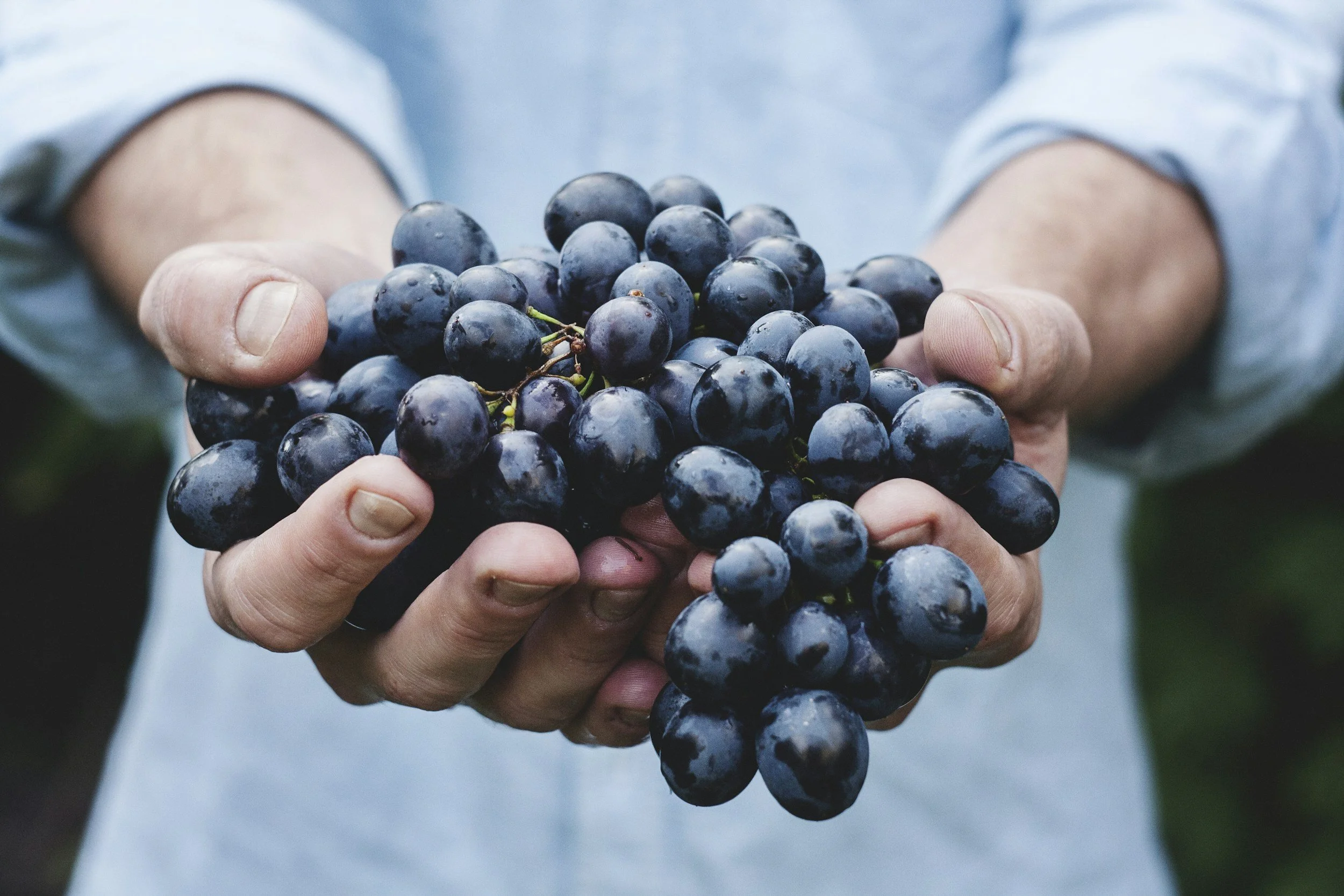
Look to the fruit.
What did this produce in me?
What is growing here?
What has this belief, this relationship, this vocation, this season, this suffering, this love actually made?
Those questions interest me more now than perfect recollection. The impact. Because fruit is evidence that something took root even when you can no longer find the seed.
A life can produce great courage or great fear. Great tenderness or great contempt. Humility or self-importance. Freedom or control. Truthfulness or performance. A greater capacity to love or an increasingly elaborate collection of reasons to withhold it. And we can ask the same questions of ourselves.
What has grown in me?
That question requires less archaeology. I don't have to reconstruct every version of myself to know that I have changed. I can look at the fruit. I can see what I protect now. What I release. What I refuse to participate in. What I can forgive. What I can finally say. What I am willing to risk. What I no longer need to prove.
The evidence is alive. And perhaps that is what transformation actually means.
Its an experience where something meaningful happens to us. For a while, we remember it vividly. We tell the story. We revisit it. We try to understand it. Then, slowly, the light of the story gets dimmer. Details disappear. The experience moves out of memory and into who we’ve become.
Eventually, we may no longer be able to explain precisely how we became who we are. We simply are. There is something beautiful about that.
But a seed does not remain a seed so that the tree can prove where it came from. It disappears into the life it created. Maybe our experiences do something similar.
We don't have to preserve every moment forever. We don't have to remain loyal to every former version of ourselves simply because we remember being that person once. We don't even have to understand perfectly how we arrived here before deciding where to go next. Sometimes we can simply look around.
What has grown?
What is alive?
What bears good fruit?
And what has stopped bearing fruit at all?
Those answers may tell us more about where we are going than memory ever could.
Six months ago, I taught Keats. I have forgotten most of what I said. But beauty remains. Truth remains.
And maybe the most important things we learn eventually become so completely part of us that we no longer need to remember learning them.
We only need to look at the fruit. And the fruit... grows in the wilderness.