The Mask We Keep
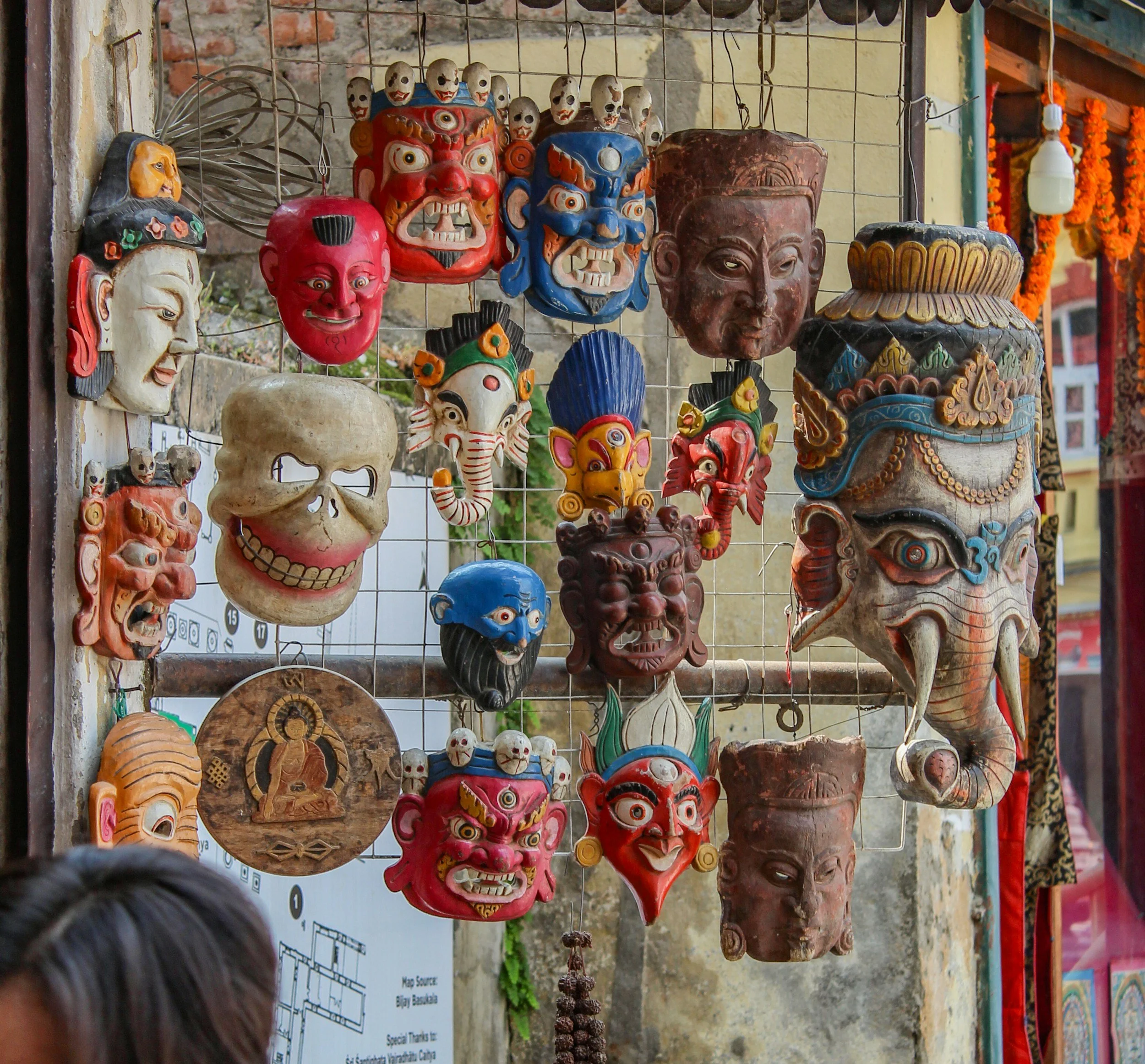
A few nights ago, we put on our disguises and went out into the world—a witch, a hero, a ghost. We rejoiced at how easy it was to present ourselves as other than we are, to borrow a little confidence from the costume that hides us. Maybe it was harmless fun. But maybe it was also a reminder—how easily we walk through the world with our faces covered and our hearts guarded.
Because sometimes, pretending feels safer than being seen.
We say it’s just a costume, but really, it’s armor—fear’s way of convincing us that being unseen is safer than being known.
We wear other kinds of masks the rest of the year too: boundaries, timing, discernment. They sound like wise ways to dress ourselves, but be honest—sometimes they’re just fear wearing good perfume. You usually know when you’re hiding—don’t overthink it. Fear always leaves a trace in the body before it shows in your choices.
If you’re performing calm while you’re falling apart, that’s fear running the show.
If you’re saying you don’t care when you clearly do, that’s fear too.
Fear doesn’t always shout don’t move.
Sometimes it whispers, I just don’t know what to do.
It rarely feels like panic. More often, it feels like fog — thoughts looping, options multiplying, every path carrying a risk you can’t quite name. You start believing that if you just think harder, the answer will appear. But fear doesn’t clear with logic. It clears with motion.
The trap is how it shrinks your world. Every option starts to feel claustrophobic, less like a solution and more like a setup. The stillness of indecision feels safer for a while—until it starts to ache. Because staying stuck isn’t peace; it’s slow suffocation.
You’ll know fear is in charge when you replay every outcome but never take a step.
When every choice feels dangerous, yet staying feels worse.
When you already know what’s right but are too afraid to do it.
That’s not insight. That’s fear pretending to be wisdom. True discernment settles the mind, even when it’s hard. Fear keeps it spinning—looping, analyzing, delaying. Learn the difference—then move, even if the move is small.
The fears that grip you now didn’t appear out of nowhere. They have roots — deep ones.
Sometimes fear starts in chaos, when home is loud with fighting and the adults are too busy surviving to notice you’re shrinking. Sometimes it starts in neglect, when you learn early that having needs makes you a burden.
Sometimes it starts in loss, when someone you love is there one day and gone the next, and the world never feels predictable again. Sometimes it starts in betrayal, when you give your heart to someone who can’t hold it — and you decide you’ll never risk that kind of need again. Whatever form it took, you learned to brace. To stay small. To manage everything yourself so you wouldn’t be one more problem to solve.
That made sense then. It was survival. But you’re not living in that danger anymore, even if your body still thinks you are.
Now you have choices you didn’t have back then. You can face what once swallowed you. You can speak what you couldn’t say. You have language, distance, and power — the very things you lacked in the middle of the pain. Fear will tell you nothing has changed. But everything has.
And I say this gently: so what if you’ve been hurt? So what if you can’t see what’s next?
So what if you’re afraid.
Fear is normal. It means you care. But it’s not a throne to sit on.
Do not make a home in it.
You’ve survived worse than the thing you’re scared to face. You’ve already lived through the loss, the silence, the waiting. You are capable of moving through fear, not just feeling it. The pain already happened. Fear is just its echo — loud, but not alive.
Still, echoes can shape how you move. They whisper into your relationships — don’t depend too much, don’t speak too soon, don’t trust too easily. They make you mistake distance for safety and control for love. But that’s the old story running the new one.
You can grow beyond the reflexes that once kept you safe. You can thank the armor and still outgrow it. You can meet fear without surrendering to it. Growth doesn’t start with bravery. It starts with honesty. Look at the pattern. Name what built it. Then decide if it still deserves to lead you.
You can’t always face what first formed your fear — some of it lives too deep, too far behind you. But you can face the residue it left in how you live now. You can rewrite the story fear tells about who you are and what’s possible. That’s where the change happens — not in the past, but in the next brave moment.
Fear isn’t proof you’re weak. It’s proof you’re awake. You care about what’s at stake. You see the edges of what could go wrong—and you’re brave enough to look. But you don’t have to wait for fear to leave before you move. You just move smaller. Softer. Honest.
Say the thing even if your voice trembles.
Take the step even if your knees shake.
Do it afraid — but do it aware.
Because fear loses power when it’s named. It quiets when you act with it, not against it. And every time you walk through it, you remember: courage isn’t the absence of fear. It’s respect for what’s true, louder than what’s imagined.
And if you still hesitate, look closer — fear always charges rent. Fear always has a cost.
When fear keeps holding the pen, the story starts repeating. Same mistakes, same silences, same ache dressed in different names. You call it growth because time has passed, but it’s really the same pattern wearing new clothes.
You make choices that look safe but starve you slowly. You keep conversations shallow so nothing can hurt you, then wonder why you feel alone. You quiet your opinions to avoid conflict, then resent not being understood. You lower your standards and call it grace. You stay in rooms that exhaust you because leaving feels like abandoning someone you’re supposed to save.
Fear convinces you it’s protecting your peace, but really it’s fencing you in. It keeps your life small enough to manage but too tight to breathe. And the longer you live that way, the more you forget what peace actually feels like. Real peace isn’t the absence of risk. It’s the presence of integrity. It’s saying what you mean, doing what you believe, and letting the outcome tell the truth.
That’s what fear costs—your wholeness disguised as safety.
You don’t need a master plan. Just one honest act.
Write the thoughts you’ve been avoiding.
Say the words you’ve rehearsed in silence.
Tell someone what’s real, even if you worry about the consequences.
You break fear’s grip by doing the small, human thing right in front of you. No grand declarations, no perfect timing — just truth in motion. Fear loosens when it’s spoken. It loses power when you stop protecting it. And every time you walk through it, your world gets a little wider.
That’s the way out. Not around it, not above it — through.
And if you’re second-guessing yourself, ask this:
Who will you be on the other side of facing your fears?
Maybe more free.
Maybe a little wilder.
Maybe you become an Amazonian version of yourself — strong, seen, and sacred in your own skin.
Because that’s what’s waiting there. Not power, but restoration. Freedom. Transformation. Healing.
The kind that comes after confession, when the truth is spoken and the burden finally lifts.