Hi, it’s Me. I’m the Problem.
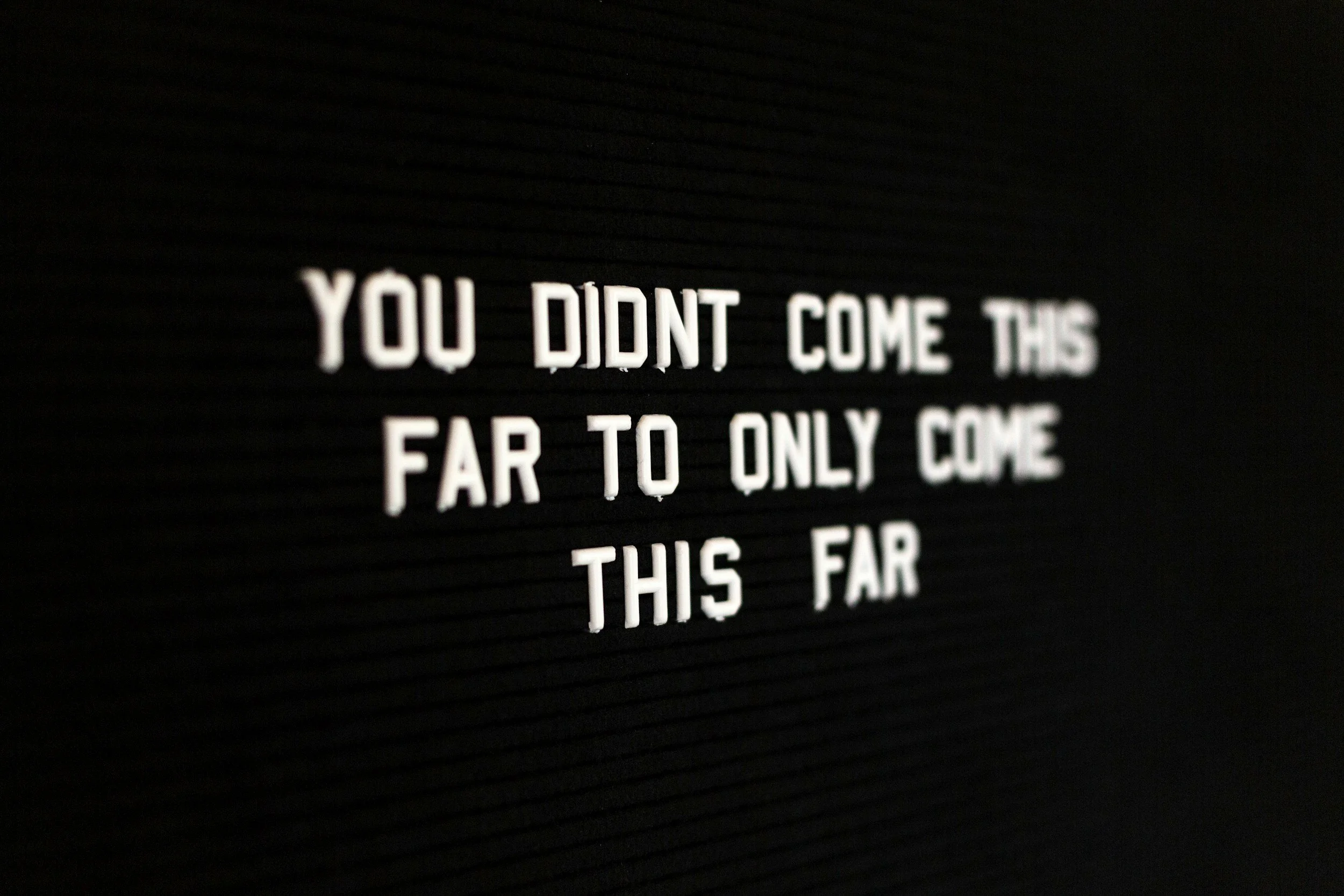
“It’s me, hi, I’m the problem, it’s me.”
Taylor Swift probably did not have Augustine of Hippo in mind when she wrote “Anti-Hero,” but somewhere around the end of Book VIII of Confessions, I heard her singing anyway. In Book VIII, Augustine has a problem. He knows he has a problem. In fact, he has spent an unnecessary amount of time explaining his problem. It is the perfect demonstration of over-thinking. And, it's a lot.
His problem? His own war with lust, and its one he keeps losing.
First, he blames the "enemy." Then he shifts the cause to simply human nature. From there, he takes it to the next level and builds an entire argument that traces the progression of his own choices beginning with his distorted will which leads to bad habits and then to the trap of compulsion and ultimately to spiritual chains that keep him in bondage to lust. Eventually, he describes himself as so accustomed to those chains that they feel like a cage he cannot escape. It is an impressive analysis.
And then, eventually, Augustine admits something unexpected: He is choosing it. And worse, he is afraid to stop.
Hi.
It’s me.
I’m the problem.
It is tempting to think this moment of self-awareness is accountability. We do this all the time. We identify our patterns. We learn the vocabulary. We explain why we behave the way we do. We can trace a line from something that happened twenty years ago directly to the thing we did Tuesday afternoon. And sometimes that explanation is entirely accurate. But knowing you are the problem is only the beginning of accountability. The power of accountability lies in what you do with the awareness. Augustine knows what he is doing, and still he asks for another minute.
Just a little longer.
Soon.
Not yet.
Maybe tomorrow.
There is something painfully familiar about that.
We tend to imagine that when something becomes uncomfortable enough, we will change it. But Augustine recognizes something more in his own behavior: sometimes we are more afraid of being freed from the thing that burdens us than we are of the burden itself. I mean, at least we know the burden. We know the cage. We know the weight of the chains. We have learned how to fit ourselves inside those expectations. We know who we are in this tiny space.
But, freedom from those chains introduces a much more difficult question: Who will I be out of the cage? And so we stay.
Then Augustine takes it to the next level again. He’s not just afraid of the unknown. He fills the unknown with his own vision, his own expectations of how he is supposed to be living. He imagines his personal transformation in its most extreme form. The life he imagines he should have is defined by deprivation, renunciation, and the loss of things he cannot imagine living without. Then he becomes terrified of the future he has imagined because it is an impossible lifestyle to achieve.
We do this too.
If I leave this job, I'll lose everything I've worked for. If I admit I was wrong, then maybe I’m the bad guy. If I change this relationship, I will be alone. If I give up these chains, I won't know who I am anymore. If I choose differently, I have to become an entirely different person.
We create two possibilities, make one unbearable and the other impossible, and then wonder why we feel trapped. Sometimes, the cage is real. Sometimes, we have also helped design it. That is why acknowledging, Hi, it's me; I'm the problem, requires more than self-awareness. It requires humility. Humility allows us to ask questions that self-protection or fear cannot.
What am I choosing?
What am I afraid of?
What am I assuming?
What if the consequences I fear are not actually inevitable?
What if there are possibilities I cannot see yet?
Humility creates clarity about ourselves, about our circumstances. Clarity lets us see what is actually there instead of what fear tells us will be there. And clarity makes acceptance possible. Not resignation, not approval, but the ability to stop negotiating with reality long enough to recognize it for what it is.
This is where I am.
This is what I have chosen.
This is what I fear.
This is what is actually true.
Acceptance gives us an accurate starting point. We can see our circumstances as they are, including our own role in creating or maintaining those circumstances. That clarity gives us agency because our decisions are no longer organized around avoiding what we fear. We can begin to consider what is actually possible.
Augustine has choices. He can ask for help. He can question whether the life he fears is actually the life required of him. He can reconsider the expectations he has treated as absolute. He can accept that change will involve uncertainty without deciding in advance what that uncertainty means.
We can do the same.
Accountability does not require us to know exactly what comes next. It just requires enough humility to recognize when fear has been designing the answer for us. Once we can separate what is true from what we have assumed or predicted, we have more information from which to choose. That is agency.
I can ask for help.
I can reconsider the assumptions I have treated as facts.
I can question the expectations I have created for myself.
I can tolerate the uncertainty of becoming someone I have never been before.
I can make a different choice.
The straight and narrow may not even be as narrow as I made it. Maybe that is the real power of accountability. Not punishment. Not shame. Not endlessly announcing all the ways we have failed. It's the ability to choose from what is instead of what we fear.
There is a point when understanding ourselves has done all it can do. We can explain the cage. We can explain the chains. We can explain exactly how we got here. Eventually, though, we have to decide what we are going to do with what we know. Because there is more to life than understanding why we are suffering. There is also more to life than not yet.
The least you could do is say you’re sorry.
Start there.
You make it right. Then, you make it better.